**GET IN TOUCH FOR THE FULL ITINERARY**
Day 1: Arrive in Fukuoka.
Arrive in Fukuoka. Make your way to our hotel. Relax after your flight.
Depending on your arrival time, consider strolling around Fukuoka; our hotel is within walking distance of the Naka River and the Canal City Hakata shopping complex. The Shofukuji temple complex, Japan’s oldest Zen temple, is about a 15-minute walk away.
In the early evening, we meet at the El Dorado Lounge for pre dinner drinks and snacks. After drinks and an introduction, we head out for a welcome dinner nearby
Overnight at Hotel II Palazzo (Welcome Cocktail & Dinner)
Day 2: Fukuoka – Dazaifu and a modern tea ceremony
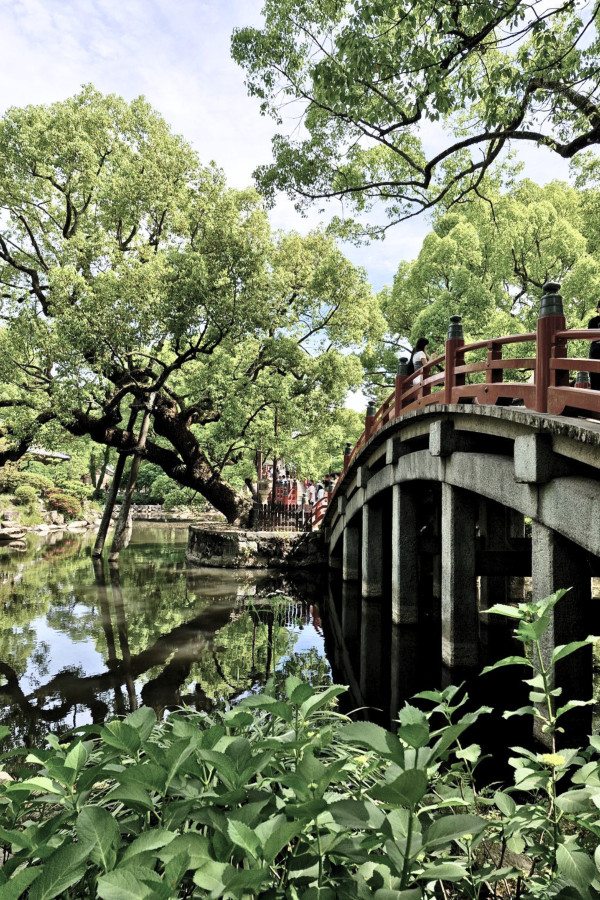
This morning, we visit Dazaifu Tenmangu Shrine, where Sugawara Michizane, the deity of learning, culture, and the arts, is enshrined. Art is everywhere at Dazaifu because of the shrine’s connection to Sugawara; contemporary pieces dot the grounds. We approach the temple by wandering up Monzenmachi, lined with shops, teahouses, and cafes.
We stop by the impressive Tenman-Gu Shrine, a lovely spot for viewing autumn colours. Via a pedestrian path that connects the shrine and museum, we visit the Kyushu National Museum, an eye-catching architectural wonder of glass with a curved steel roof. The museum itself focuses on Kyushu from prehistory to the Edo period, but we are there for the entrance; it is spectacular, accessed via a long series of covered escalators & moving walkways known as the Rainbow Tunnel.
After lunch at the museum restaurant, we return to our hotel to relax.
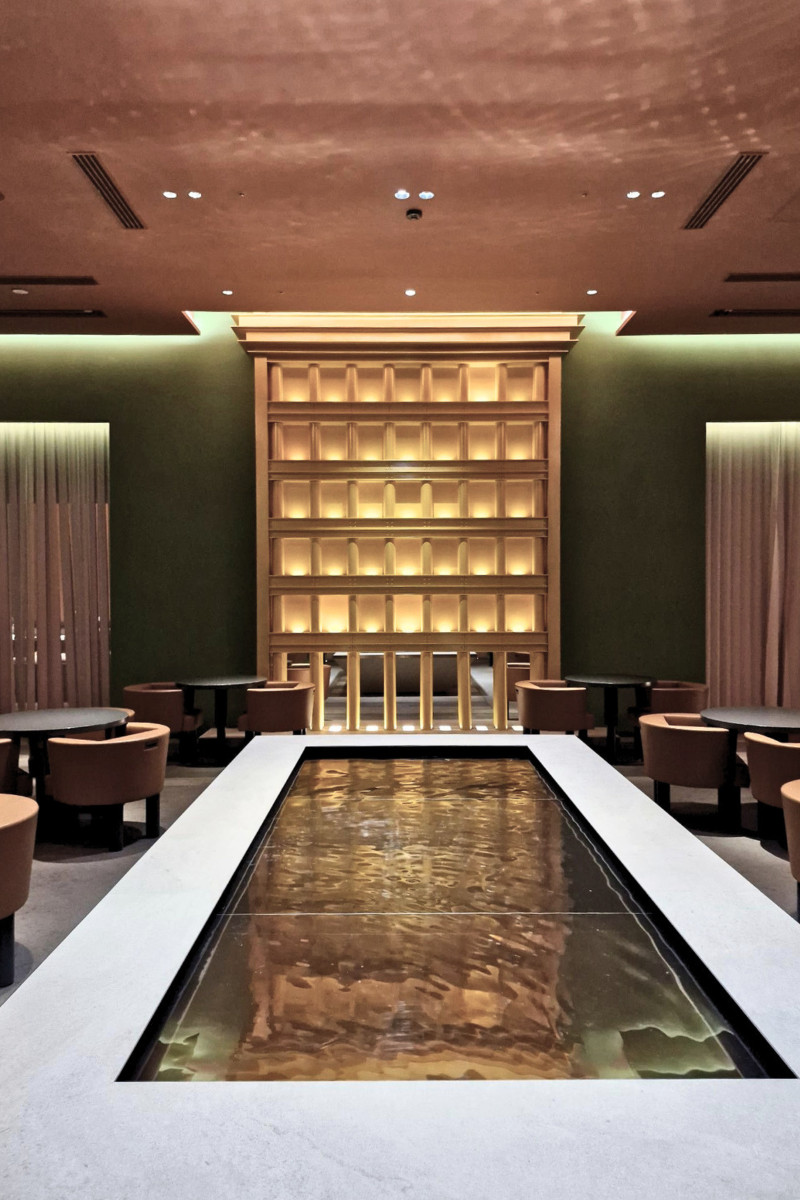
Early evening, we enjoy a modern tea ceremony at a minimalist tea salon. The space blends the precision of a traditional Japanese tea ceremony with a modern, relaxed aesthetic. Enjoy a menu pairing of rare teas, tea-infused cocktails or sake with seasonal wagashi.
Overnight at Hotel II Palazzo (B / L / Modern Tea Ceremony)
Day 3: Train to Yufuin
This morning, we transfer to Hakata Station and board the Yufuin no Mori (“Forest Train of Yufuin”), a scenic, forest-green limited express sightseeing train. *We will carry only hand luggage, as our van will transfer our main luggage.
As we get off the train, we will be greeted with the view of Mount Yufu. Yufuin is very easy to explore on foot, with many small artisanal shops, cafes, craft boutiques, and museums line the main walking streets. The main shopping street, Yunotsubo Kaido, runs from Yufuin train station to Lake Kinrin and takes about 20 minutes to walk end to end without stopping to shop.
We check into our historic ryokan on a forested estate, where private open-air hot springs await along with personalized, therapeutic massage and spa body treatments that can be pre-arranged to complement your onsen soaking. Yufuin’s waters are a treasure trove of rejuvenation, thought to relieve muscle pain, reduce stress, and promote skin health.
Change into your yukata and enjoy a cocktail at the bar before a multi-course kaiseki dinner showcasing seasonal local ingredients and beautifully presented regional cuisine.
Overnight at Kamenoi Besso / (Yufuin Tamanoyu) (B / D
Day 4: Yufuin / Beppu’s Steaming Hot Springs / Yufuin
Wake early for a peaceful stroll to Lake Kinrin, where cool morning air and rising steam often create a soft mist across the water.
This morning, we transfer to Beppu to experience Beppu’s deeply ingrained onsen culture; a most atmospheric hot spring district, a place where steam drifts through narrow streets, locals gather at neighbourhood bathhouses, and daily life has revolved around the restorative power of the hot springs for centuries. The Beppu Jigoku Meguri is a group of seven ‘Hells’- dramatic natural showcases of boiling water, erupting steam and bubbling mud, each with its own distinct character.
We then head to Shonin Park for an iconic sand-bathing experience. The history of the sandy baths along the Beppu Coast, where hot springs have bubbled up in various places, dates to the Heian period. On arrival, change into the provided cotton robe and lie back in naturally heated sand as staff gently cover you. Relax to the sound of waves rolling onto the shore, then rinse off with a soothing onsen bath.
Return to Yufuin and our ryokan, with the late afternoon and evening free.
Overnight at Kamenoi Besso / (Yufuin Tamanoyu) (B / L)
Day 5: Yufuin / Kunisaki Peninsula – Kunisaki’s spiritual mountains / Yufuin
Today we travel to the Kunisaki Peninsula, a deeply spiritual region known for its 135km ancient pilgrim trail, forest temples and centuries-old spiritual tradition known as Rokugo Manzan, where Buddhism and Shinto beliefs intertwine.
We visit an 8th-century mountain temple guarded by giant Nio statues and meet a local monk, then join a guided zazen session at a 14th-century Zen temple, followed by tea and sweets with the priest
For lunch, we stop at a ryotei set in a glorious garden, with a beautiful backdrop of Beppu Bay and Mount Takazaki.
We return to Yufuin and our ryokan to reset.
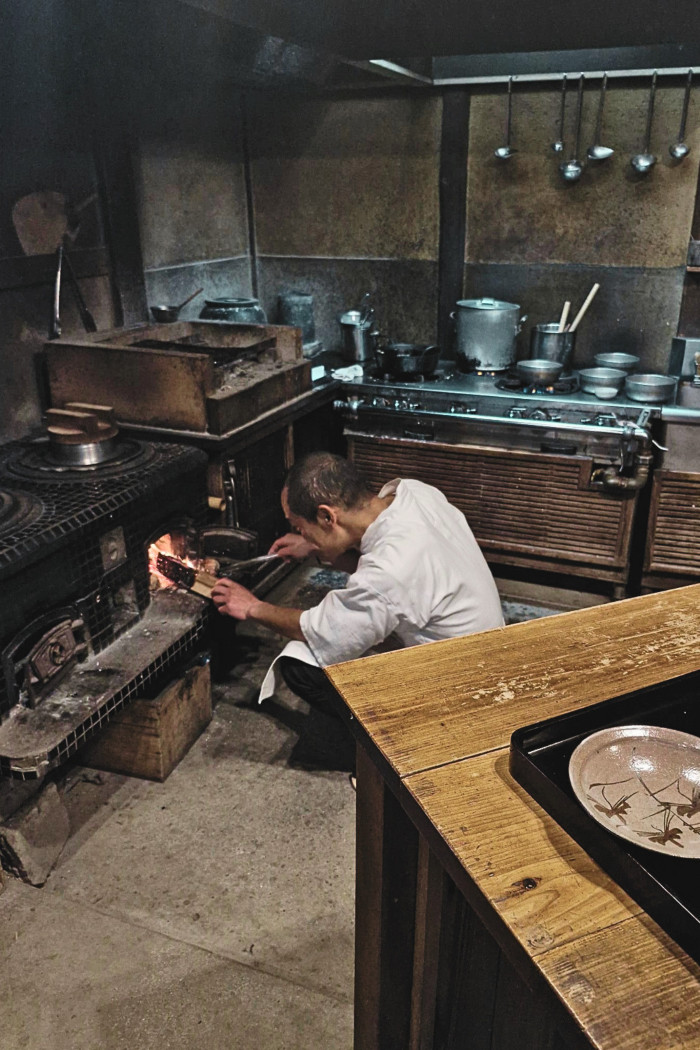
For our final night, we will enjoy a chef-run omakase dinner in a beautifully renovated traditional house.
Overnight at Kamenoi Besso / (Yufuin Tamanoyu) (B / L / D)
Day 6: Yame – Kyushu’s craft heartland
This morning we pack up and transfer to Yame. Yame is a cultural powerhouse, an old castle town brimming with traditional crafts, historic buildings, artisanal shops, cafes, and historic sake breweries.
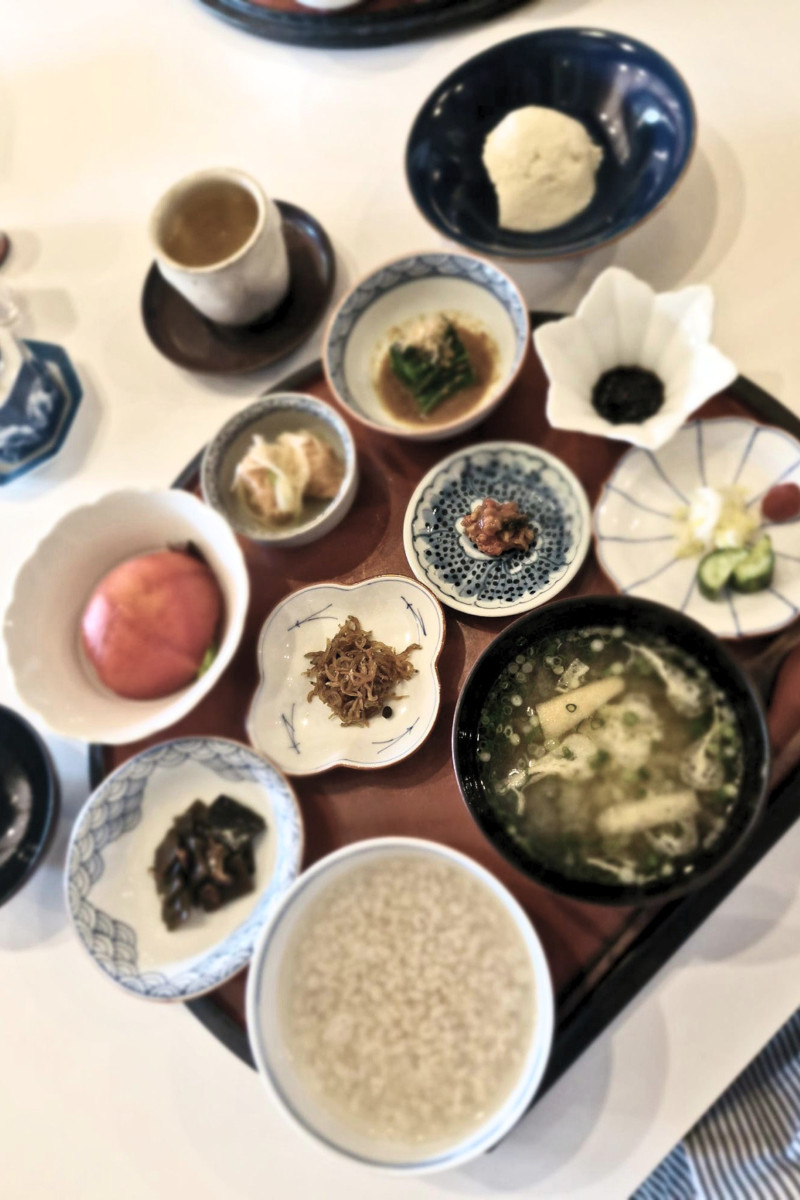
We stop for lunch at a family-run organic tea farm café hidden in misty mountains. We drink delicious green tea and enjoy homemade dishes made with foraged vegetables.
After lunch, we visit an incense workshop where the custom of creating pure cedar wood powder for incense sticks continues. At a century-old watermill, a second-generation craftsman and his wife make 100% natural, handcrafted cedar-leaf incense using sustainable cedar wood from local forests. The facility operates with zero electricity during the grinding stage, relying entirely on the natural, renewable energy of a mountain river stream.
Over the next two nights, we stay in a renovated former sake brewery in the preservation district: a decentralised hotel occupying beautifully renovated Edo-to-Meiji-period merchant houses in the historic white-wall district.
We will dine in-house this evening.
Overnight at Decentralised Hotel (B / L / D)
Day 7: Yame – Indigo, sake and artisans
Today is a day dedicated to the arts and crafts of Yame. A variety of artisan skills, such as Yame Fukushima Buddhist altars, Yame lanterns, Yame handmade paper, bamboo crafts, stone lanterns, woodworking, lacquerware, and decorative metal fittings, remain in the region, with each specialised skill supporting a single craft through a division of labour.
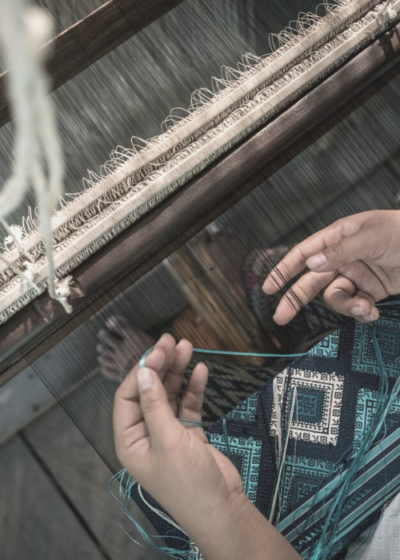
We walk Yame’s protected old town past an Edo-period sake brewery, Kyushu’s oldest tea merchant, a nail-free wooden bucket and barrel workshop and craft shops full of local pottery and weaving. In the afternoon, meet a fifth-generation indigo dyer to discover Japan blue and Kurume kasuri weaving.
This evening, enjoy free time in the relaxed ambience of your heritage accommodation or stroll the old town and stop by a local izakaya.
Overnight Decentralised Hotel (B / L)
Day 8: Karatsu – By the sea
After breakfast, we will start our journey from Karatsu.
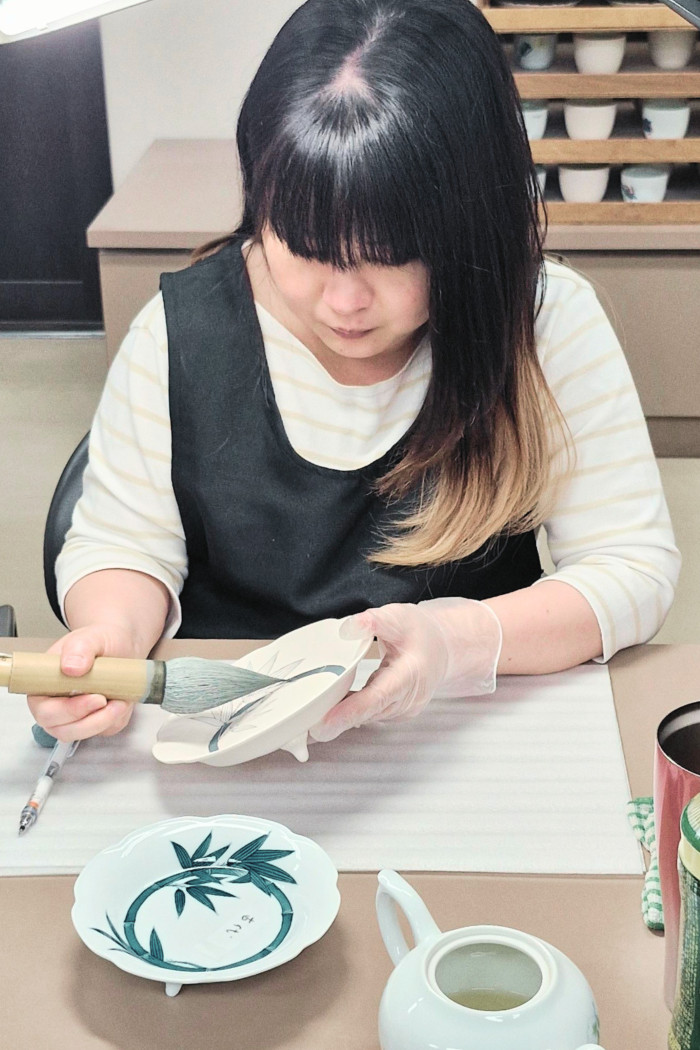
There are about 70 pottery studios in the Karatsu area. Each applies its unique style and approach to ceramic art, from emerging artists to famous artists throughout Japan. Whilst in Karatsu, we visit kilns where the potters kept their tradition, the roots of the potter and a way of life. Karatsu ware (Karatsu-Yaki) style is a good example of the wabi-sabi aesthetic, and Karatsu bowls, plates, and other implements are often used in tea ceremonies. It has the “beauty of service” manifested through its functionality for serving food and flower arrangements.
This afternoon, we share seasonal tea, walk a working orchard and spend 90 unhurried minutes with a Karatsu potter in her studio. As evening falls, we will enjoy cocktails and an intimate seasonal dinner on a hilltop, served on local ceramics.
Overnight: Karatsu Seaside Hotel (B / L / D)
Day 9: Karatsu – Yobuko coast and Karatsu ware
Today we visit a private kiln in Yobuko, lunch on sashimi-don in a fishing town and walk the dramatic volcanic coastline at Nanatsugama.
Back in Karatsu, we will take time to browse and buy ceramics from local makers, learn the customs of a Shinto shrine, then explore the old town at your own pace.
We will return to our hotel in the late afternoon, allowing time to rest and refresh before gathering again for dinner.
Overnight: Karatsu Seaside Hotel (B / L / D)
Day 1o: Karatsu – Saga’s master makers
Today we head to the Saga region to visit and learn from local makers.
We begin with a visit to a historic, family-run soy sauce and miso brewery founded in 1901 where wild microflora in the wooden rafters shape every batch.. We will tour the facility and learn firsthand about these time-honoured techniques from the people who practice them.
From there, we’ll head to a 300-year-old washi paper studio run by the same family for seven generations – and the last remaining workshop in the valley that keeps this tradition alive. This handmade Japanese paper is made using the strong bark of local mulberry trees. This historic mountain mill recently moved into a beautifully designed contemporary facility at the foot of the mountains to protect the craft from local landslide risks.
Return to Karatsu, and your evening is free.
Overnight: Karatsu Seaside Hotel (B / L)
Day 11: Karatsu – A full day of wellness
Today is our final day, dedicated to rest, relaxation, and wellness.
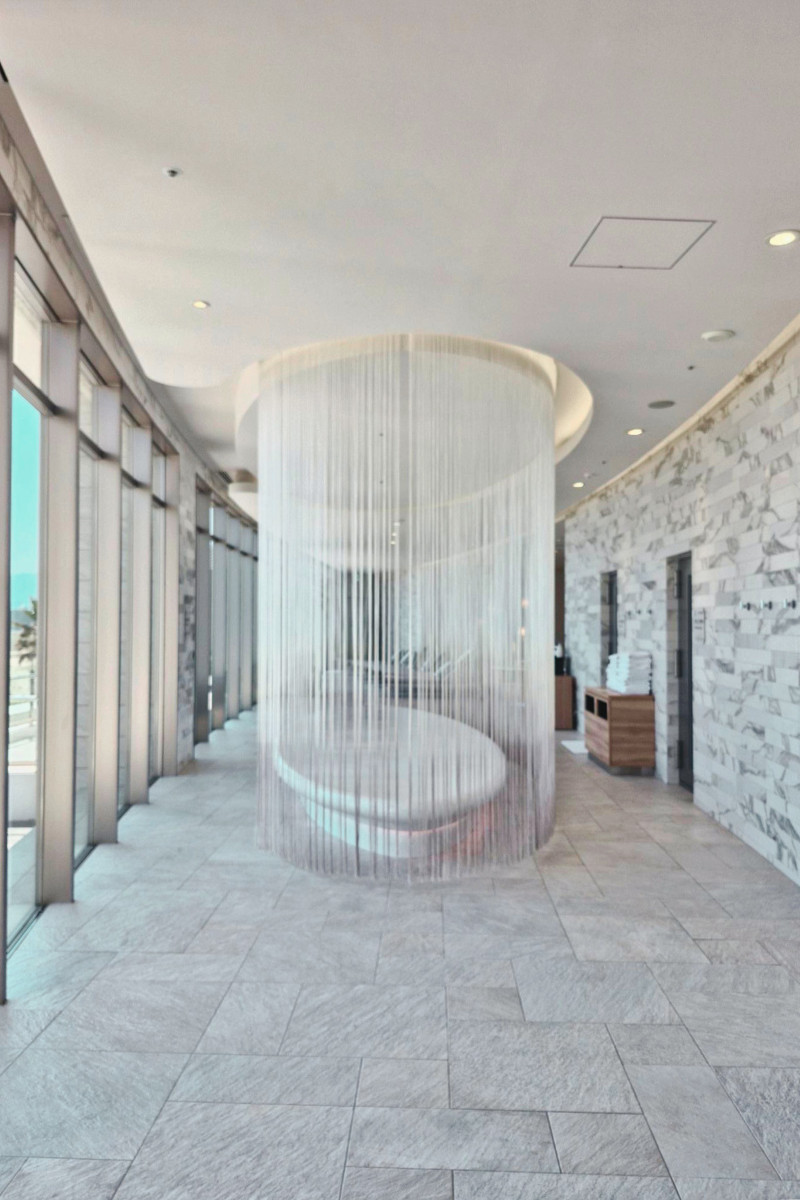
Indulge in a full-day immersive wellness journey, beginning with access to the hotel’s crown jewel thermal facilities. Soak in a rooftop hot spring infinity pool with views over Karatsu Bay and the pine-lined coast, then choose from an 11-course spa menu of facials, massages and body treatments. Move through aroma and infrared stone saunas, an ice sauna with indoor snowfall, and open-air onsen.
This evening, we can celebrate with a farewell cocktail and a seasonal kaiseki dinner by a Kyoto-trained chef serving elegant dishes made with fresh, seasonal ingredients in local ceramics.
Overnight: Karatsu Seaside Hotel (B / D)
Day 1o: Karatsu
Your final day. (B)
This morning we pack our bags, say our farewells, and transfer back to Hakata Station in Fukuoka for departure. (B)
Arigatou Gozaimashita.