Day 1 – Arrive Lima
Arrive Lima.
Private transfer from Lima Airport to our Limeño home base, Nhow Lima
Check in and relax. This evening, we will meet for a Welcome Cocktail with your Host before we dine *in-house for our first-night dinner. Then to bed and rest up for our upcoming journey.
Overnight: Villa Barranco (Welcome Dinner & Cocktail)
Day 2 – Lima
Today we will learn about the two characters of Lima: the modern one, reflected in the districts of Miraflores and San Isidro; and the historic one, encapsulated in its historic center declared a World Cultural Heritage by UNESCO.
After a relaxed breakfast, we are met by our Local Guide and driven to the Historic Centre of Lima to view the main square, monuments and colonial architecture. We will have the opportunity to enter one of the most iconic ecclesiastical spaces in Lima, the Convent of Santo Domingo, also declared Cultural Heritage of Humanity and where the relics of three Peruvian saints are found: Santa Rosa de Lima, San Martín de Porres and San Juan Macías.
We visit one of the most important colonial convents and stop at Casa Aliaga, a colonial Mansion that has been inhabited by 16 generations of the Aliaga family over 480 years.
We then visit the Larco Museum. The Larco Archaeological Museum, founded in 1926, is the world’s largest private collection of pre-Columbian art with an astonishing array of gold, silver, semi-precious stones and textiles. The collection’s predominant strength is in Mochica ceramics from the north coast of Peru. The museum presents a comprehensive view of the cultural development of ancient Peru through a selection of its 45,000 pieces, housed in an 18th-century colonial building.
Enjoy lunch at the Cafe del Museo Restaurant.
We return to our hotel, via a stop at Huaca Pucllana the great adobe and clay pyramid, in the late afternoon for rest and relaxation. You could use this time to book in for a spa/massage after your flight, or you may want to take a walk along the seafront. Close by is also the AMANO Pre-Colombian Textile Museum which offers guided tours of pre-Columbian textile art & archaeological materials.
On return to our hotel, your evening is free.
Overnight: Villa Barranco (B/L)
Day 3 – Lima
This morning, our guide meets us at the hotel for a full day of experiences, during which we will appreciate the Peruvian Lifestyle from the perspectives of food, culture, and art.
Our first stop is the Surquillo market. There is no better place to get immersed in a city´s vibrant daily life than a local market. We will wander around, meet the people and start exploring the fruits, vegetables and ingredients that make Peru such a fantastic food destination.
Then we drive to the bohemian Barranco district, where we will walk through its charming streets, art galleries, and shops. Originally developed during the Colonial period as a site for summer casonas (mansions) for wealthy Limeños, today, it is a vibrant neighbourhood full of shops, galleries, restaurants, and architectural gems. We will stroll through streets that preserve colonial and republican charm and discover colorful homes turned into workshops and museums, including those of Jade Rivera and Víctor Delfín, where we’ll admire unique works of art.
We have lunch at an art-filled boutique restaurant built inside a 1912 Belle Époque mansion.
Before we return to our hotel, we visit El Cacaotal, or in English “cacao field,” an edible library of Peruvian craft chocolate sourced from individual farmers and producers; a chocolate tasting room and boutique. We have a tasting designed to showcase the diversity of flavours in Peru’s coffee and cacao.
Dinner tonight centers on a nearby dining spot led by a celebrated female chef who first gained international recognition at one of the country’s most acclaimed kitchens. This is her independent venture, where she fully explores her own creative direction drawing deeply from Peru’s rich and diverse ingredients, transforming them into dishes that highlight both tradition and innovation.
Note: dinner here depends on availability when arranging the journey. An alternative experience may be offered—one that delves into the distinctive flavors and culinary heritage of the Peruvian Amazon, providing a similarly memorable exploration of the region’s food culture.
Overnight: Villa Barranco (B/L/Chocolate Tastings/D)
Day 4 – Cusco – Sacred Valley
This morning, we depart Lima and fly to Cusco.
Once in Cusco, we are welcomed by our local guide and transferred to the Sacred Valley, which takes about 1h30 minutes. The Valley is located 1,600 feet lower than Cusco City, thereby allowing a gentle acclimatisation process to higher altitudes.
We will stop for a very special lunch at Hacienda Sarapampa, a family-owned business that for three generations have preserved the traditions of Cusco Giant White corn farming, backcountry cuisine, and the simple hacienda life. Fallow, sowing, hilling, harvest—these essential stages in the life of corn inspire a thoughtfully crafted lunch where each dish reflects the rhythm of the fields and the traditions that have shaped the hacienda. This is an intimate experience, filled with warm hospitality, heartfelt anecdotes of hacienda life, and stories that celebrate the culture of corn and the timeless spirit of the Sacred Valley of the Incas.
Our journey continues to Pisac market, famous for its beautiful handicrafts, textiles, and silver jewellery. After our market visit, we continue to our hotel and check in after a busy, but fabulous day.
Tonight’s dinner is at the hotel’s restaurant.
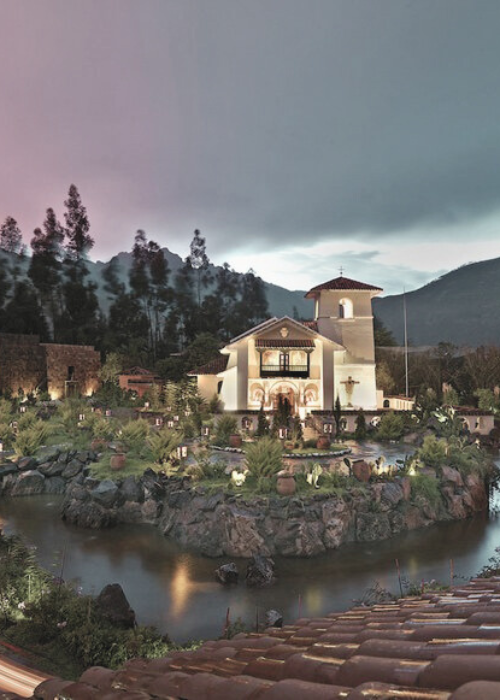
Overnight: Inkaterra Hacienda Urubamba (B/L/D)
Day 5 – Sacred Valley – Maras, Moray & Chinchero
To adjust to the Valley, you can start your day with guided mindful movement, meditation or yoga session. (Optional)
Today is dedicated to exploring three jewels of the Sacred Valley of the Incas, which will show us their ingenuity as architects and farmers: Maras, Moray and Chinchero.
Frst up, we drive to Maras village and the Maras Salt Terraces. Over 3,000 small salt pools, or pocitos, have been constructed on the mountain’s slope. It’s fascinating to watch locals harvest the salt, a process that hasn’t changed in thousands of years. The salt gathered here is considered some of the best in the world.
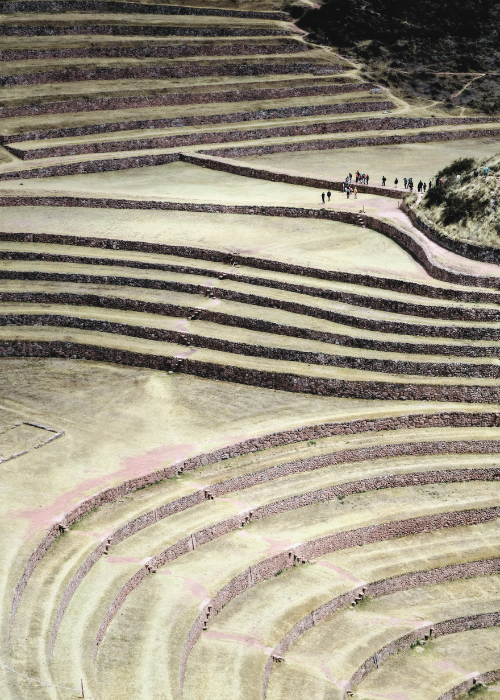
From here, we travel through beautiful scenery towards Moray. Very different from anything else you will see, the concentric-circle terracing in Moray is thought to have been used as an early agricultural laboratory. The different depths and aspects afforded by circular terracing helped the Incas predict which crops might grow where and adapt or domesticate seeds to grow at new altitudes and conditions.
We have lunch at a traditional huarique, or Peruvian family-run tavern, set amidst a breathtaking landscape of towering mountains and lush green fields. Operating on a strictly pre-arranged basis, this hidden gem welcomes guests behind closed doors, with no external signage or online presence, enhancing its sense of exclusivity and personalized service. Each dish is crafted using fresh ingredients sourced directly from the property’s own organic garden and cultivated fields, ensuring a genuine farm-to-table culinary experience.
We are then driven to the heights of the Chinchero Plateau to visit the Chinchero archaeological complex, one of the most impressive in the area. During the Tahuantinsuyo (the Quechua name for the Inca Empire) it was an agricultural and livestock center, with terraces and aqueducts. Nearby, we will see the exterior of the Nuestra Señora de Monserrat church, built in 1607 on top of the old Inca Palace.
We head back to our hotel. Your evening is free.
Overnight: Inkaterra Hacienda Urubamba (B/L)
Day 6 – Huayllafara & Lamay
Today, we walk through the trails of Lamay and meet with the community of Huayllafara.
We drive to Huayllafara and connect with families engaged in farming, animal care, and crafts, gaining insight into the livelihoods behind Peru’s rich cuisine. The people of the village will welcome us, then they will take us to their Interpretation Center, where they will share their knowledge about their produce and the Andean agricultural cycle. Later, we will visit their farms with local crops (like potatoes, tarwi, quinuoa, beans, among others), and will learn about the traditional farming techniques, while we taste their local produce.
After farming time, our hosts will share with us their traditional recipes and we will help prepare a delicious, and nutritious, farm-to-table lunch.
The return walk to Lamay follows an easy single track along the Carmen River, winding through a forested creek with native trees and diverse birdlife. offers panoramic views of the Lamay Valley and its surrounding, steep mountains.
Return to our hotel and have free time to relax at the hotel before dinner.
*A great time to book a spa / massage. The Mayu Spa, which means ‘River’ in the Quechuan language, is a tranquil haven immersed in the Sacred Valley’s natural surrounds with a rustic chic design inspired by traditional Andean architecture. All therapies use 100% natural products. The new wellness center has a hot plunge pool, four private therapy rooms and a dry sauna.
Overnight: Inkaterra Hacienda Urubamba (B/L/D)
Day 7 – Urubamba – Ollantaytambo
This morning we check out of our hotel and move up the valley to Ollantaytambo.
Before we arrive in Ollantaytambo, we visit the village of Urubamba. We will wander the Plaza de Armas, visit the Church of Santiago Apóstol and La Casa de Martin. We will stop by Ceramicas Seminario to visit the Gallery and hopefully meet the artists.
Lunch will be at a fabulous garden restaurant that pays homage to fire, time, and origin. Each dish is born from respect for the land and the producers of the Sacred Valley.
After lunch, we drive to Ollantaytambo and check into El Albergue, a family-owned boutique hotel that offers exceptional hospitality, sustainability, and community engagement.
Your evening is free, but we can dine in-house tonight.
Overnight: El Albergue (B/L)
Day 8 – Ollantaytambo
After a relaxed breakfast, we join the Destilería Andina taem (connected to El Albergue) to craft our own Elixir Andino using premium Peruvian cane spirit, freshly picked garden herbs, and select botanicals. Guided by master distillers, we explore the traditional cañazo process, sample unique blends, and take home a personalised herbal macerado.
We finish with a cocktail tasting and a traditional Pachamanca lunch. Pachamanca, meaning “earth oven” in Quechua, is an ancient Andean cooking tradition where meats and vegetables are cooked over hot stones. Pachamanca is a meal that celebrates connection with the land, surrounded by mountains and archaeological remains.
This afternoon, there is free time to rest or explore some of the town of Ollantaytambo. Ollantaytambo is an Inca village set below ancient ruins that retain the stonework, narrow streets, and family courtyards of pre-Columbian times.
This evening, we enjoy a guided visit to the Alqa Andean Art Museum, with founder Johana or Antonio. The collection showcases the richness and symbolism of Andean folk art, shaped by generations of tradition and built through close collaboration with local communities and artists. We conclude our Sacred Valley immersion with a dinner at the museum’s Gastronomic Laboratory. The laboratory was born to study, preserve, and disseminate the diversity of Andean ingredients, exploring their histories, nutritional values, and roles in traditional culinary practices.
Overnight: El Albergue (B/L/D)
Day 9 – Machu Picchu
With the station at our doorstep, we board the Vistadome Observatory train early in the morning. The journey offers sweeping views of the Sacred Valley, rivers, mountains, and Andean communities. Panoramic windows, an open-air Observatory Car, and a lively Bar Car with music make for a memorable ride.
Upon arrival in Aguas Calientes, we board the (shared) bus to Machu Picchu for our (private) guided visit.
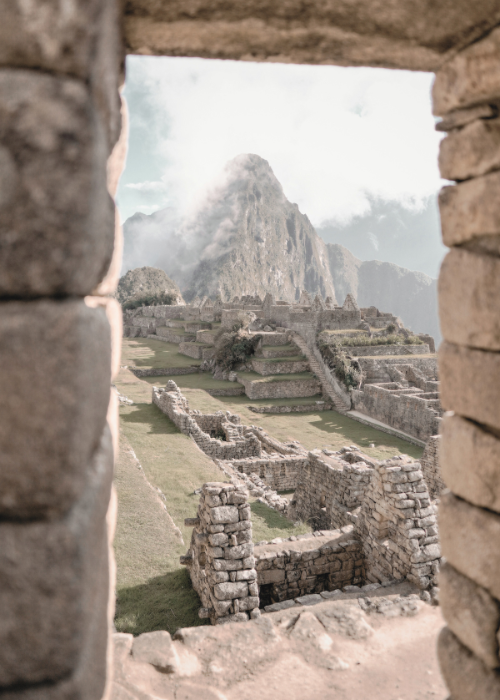
Built in the 15th–16th centuries, Machu Picchu was a hidden Inca city never found by the Spanish and later brought to global attention by Hiram Bingham in 1911. Believed to have long been a sacred site, it was self-sufficient, with terraces for food and natural springs for water. Perched above the Urubamba River, the well-preserved ruins include temples, palaces, baths, and homes, all crafted from grey granite and showcasing remarkable architectural skill.
After our private guided tour of the citadel, you will have free time to explore on your own. Once we have recharged ourselves with the magical energy of Machu Picchu, we will return to Aguas Calientes where we will have some free time to explore the streets a bit before lunch.
We then board our return train to Ollantaytambo.
Back in our cosy hotel, your evening is free to rest, or meet for a vino and chat about our experience at one of the worlds great wonders.
Overnight: El Albergue (B/L)
Day 10 – Ollantaytambo to Cusco
This morning, have a well-deserved sleep-in, and then some more leisurely discovery of Ollantaytambo. This is free time, so you can do as you wish, when you wish.
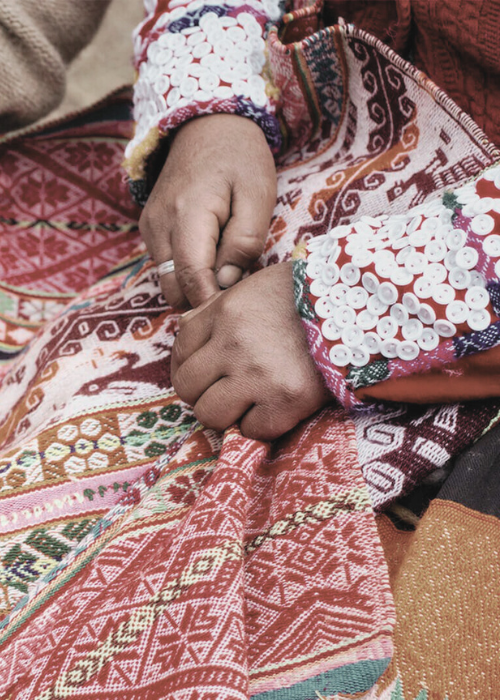
Places to visit include Awamaki, a nonprofit social enterprise dedicated to connecting Andean artisan weavers with global markets. They collaborate with women artisans to support their efforts towards educational and financial independence.
The current town of Ollantaytambo stands on what was once an Inca city. This town is divided in two by the Patacancha stream. Qosqo Ayllu is the eastern portion, comprising the central square and streets parallel to the creek, and PatakanchaAraqama Ayllu comprises the western area of Ollantaytambo which is dominated by various archaeological units. (Qosqo Ayllu in Ollantaytambo is the only continuously inhabited Inca Village in Peru.) Both areas are fabulous to wander through. Visit the statue of Cura Ocllo, the Forgotten Heroine of the Inca Empire and the last Inca queen. Or visit the ruins of the ruins of Pinkuylluna, or the the old Incan fortress at Pumamarca
After lunch at a local restaurant, our Private Van will transfer us to Cusco.
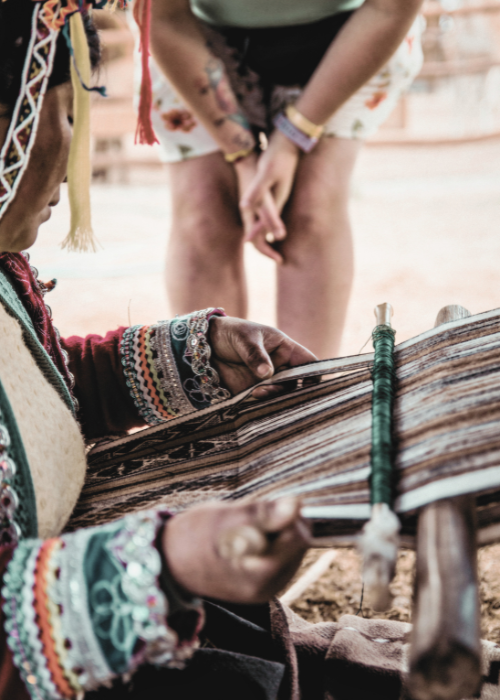
En-route, we will stop at Museo Textil Sulca. Textil Sulca is a specialised museum and workshop dedicated to preserving and recreating pre-Columbian textile techniques from Wari and Inca cultures. It features 7 exhibition rooms, showcases Andean camelids (llamas, alpacas, vicuñas), and features hand-woven, natural-dyed pieces crafted over months. The museum acts somewhat as a bridge to pre-Columbian history, offering a comprehensive look at how ancient weaving, dyeing, and iconography are maintained in modern times.
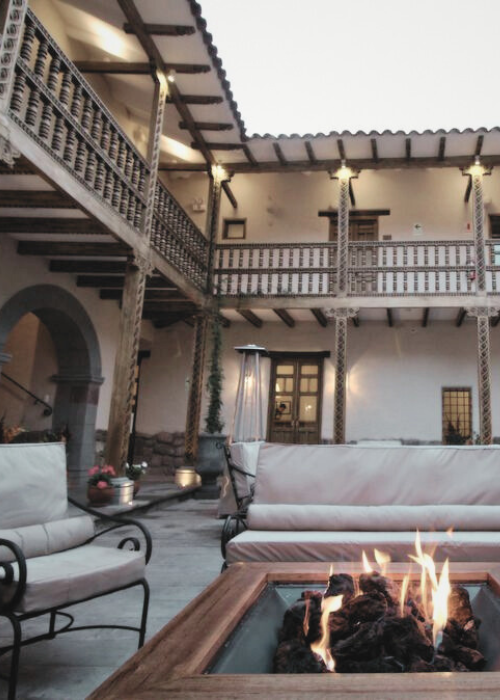
After our visit, we check into our gorgeous hotel, and relax before dinner. This evening we will have light Peruvian tapas in-house at Piedra & Sal.
Overnight: Antigua Casona San Blas (B/ L/ D)
Day 11 – Cusco
Today, we have a leisurely introduction to Cusco.
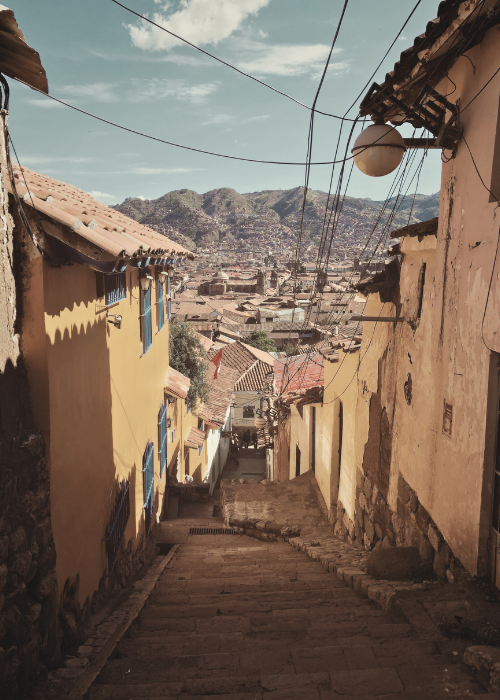
Although Machu Picchu is considered the symbol of the Inca Empire, a reputation earned thanks to its spectacular location and architecture, the true Inca jewel was Cusco, ancient capital of the Empire, where the Incas ruled and were considered God-kings.
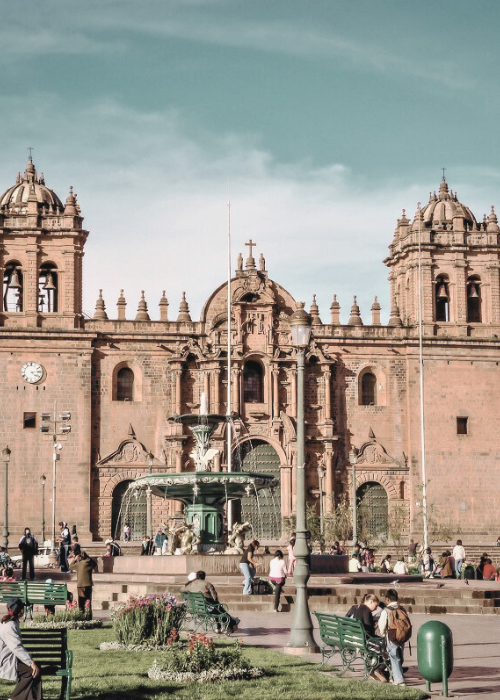
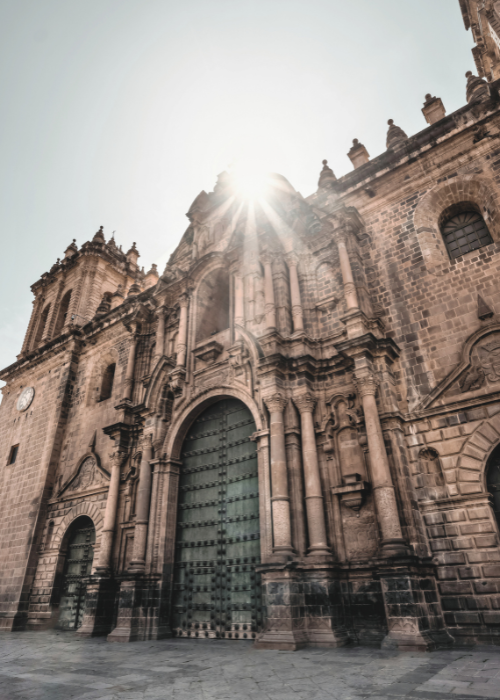
Our guide will meet us at our hotel and take us to visit the city’s sites. The first visit of the day is to the San Pedro Market, Cusco’s main market. We visit the 16th-century Cathedral with its rich colonial treasures, and the Santo Domingo Convent, once the Sacred temple of the Sun or “Qoricancha”, whose inner walls were completely covered in gold. We also visit the Iglesia de la Companía de Jesús, one of the most impressive Spanish architectural feats.
A long lunch takes place at a charming traditional Cusqueño restaurant.
Your afternoon is free. You can spend in one of the excellent city museums to better understand the history, culture and archaeological past of this region. Among the best are the Museo Inka and Qorikancha. You can also visit the Centro de Textiles Tradicionales del Cusco to see how the local handmade textile industry continues to thrive as it has for centuries.
You might also want to drop by the Pisco Museum to discover where it all began.
Your evening is free.
Overnight: Antigua Casona San Blas (B/L)
Day 12 – Cusco
This morning, we visit the Sacsayhuaman Incan archaeological site. The Europeans called it a fortress because of the immense stone blocks used in its construction, but the Incas designed it as a depiction of a puma’s head. In fact, Sacsayhuaman literally means “decorated head of the Puma.”
The afternoon is leisurely. You may want to wander around the city on your own and perhaps do some last-minute shopping. We have a huge list of recommendations!
This evening we meet for our fabulous farewell experience. The Museum of Pre-Columbian Art (MAP), located in the historic Casa Cabrera, showcases around 400 pieces of pre-Columbian art dating from 3,000 years ago to the 16th century. With a guide, we will explore rooms organized by materials, regions, and historical periods, gaining insight into ancient Peru’s art, culture, and way of life.
To conclude this experience, we will enjoy a dinner at Map Café, a space that combines the best of contemporary Peruvian cuisine with an elegant and cozy atmosphere. It’s the perfect ending to a journey of cultural, community and gastronomic immersion in Peru
Overnight: Antigua Casona San Blas (B/D)
Day 13 – Depart
It is time to say farewell to Cusco. (B)
After breakfast, transfer to Cusco airport for your flight to Lima, where you can connect onward or travel elsewhere.
*You may wish to join us on an extension to the Amazon or Lake Titicaca to round out your time in Peru.